Top 5 Myths About Ceramic Coatings in Maryland

Maryland weather keeps drivers on their toes. One minute you’re dealing with the humid, salty air near Chesapeake Bay, and the next, you’re dodging road salt during a frosty winter commute in the mountains. Because of these harsh and variable conditions, paint protection has become a top concern for vehicle owners across the state.
Among the various options available, ceramic coatings have surged in popularity. They promise a glossy finish and long-lasting protection that traditional waxes just can’t match. However, with this popularity comes misinformation. Marketing hype often exaggerates what these products can do, leading to unrealistic expectations.
If you are considering investing in paint protection for your vehicle, it is crucial to separate fact from fiction.
Let’s debug the five most common myths circulating about ceramic coatings in Maryland so you can make an informed decision for your vehicle.
Myth 1: Ceramic Coatings Make Your Car Bulletproof
There is a pervasive belief that a ceramic coating acts as an impenetrable shield for your vehicle. You might have seen videos of people striking coated hoods with lighters or throwing mud at them, suggesting the paint is invincible. While ceramic coatings are incredibly durable, they are not magic force fields.
The Reality of Scratch Resistance
A professional ceramic coating does bond to the clear coat, creating a sacrificial layer that is harder than the factory paint. This provides resistance against fine swirls caused by washing and drying. However, it does not make the car scratch-proof. If you drag a key across the door or brush against a concrete pillar, the paint will still scratch.
Rock Chips are Still a Threat
Perhaps the biggest misconception is that ceramic coatings prevent rock chips. In a state like Maryland, where highway construction is constant and gravel is common, rock chips are a major concern. Unfortunately, a ceramic coating is too thin to absorb the impact of a stone hitting your car at 60 mph.
If your primary goal is to prevent rock chips, consider Paint Protection Film (PPF), a thicker, urethane-based material designed for impact resistance.
Myth 2: You Never Have to Wash Your Car Again
Wouldn’t it be nice if you could apply a product once and never touch a wash mitt again? This is a major selling point used by less-than-honest marketers, but it couldn’t be further from the truth.
The Self-Cleaning Effect
Ceramic coatings are hydrophobic, meaning they repel water. When it rains, the water beads up and rolls off, taking some loose dirt and dust with it. This is often referred to as a “self-cleaning” effect. While this keeps the car looking cleaner for longer than a non-coated car, it does not remove dried road grime, bug guts, or bird droppings from the surface.
Maintenance Washing is Still Required
If you stop washing your car, dirt will eventually clog the coating. This buildup masks the hydrophobic properties, causing water to sit flat on the surface rather than bead up. To keep the coating performing well, you still need to perform regular maintenance washes. The benefit is that the washing process becomes significantly faster and easier because the dirt doesn’t stick as stubbornly to the slick surface.
Myth 3: Ceramic Coatings Last Forever
The phrase “permanent protection” is often thrown around in the detailing industry. While ceramic coatings are far more permanent than wax (which lasts a few months) or sealants (which last up to a year), nothing lasts forever without upkeep.
Durability Depends on Maintenance
Most professional-grade coatings come with warranties ranging from three to five years, with some claiming lifetime protection. However, these lifespans depend heavily on how the vehicle is maintained. A car that is garage-kept and hand-washed weekly will see its coating last much longer than a car that sits under a tree and is run through automatic tunnel washes.
The “Lifetime” Warranty Clause
Be wary of “lifetime” claims. Usually, these warranties require you to return to the installer annually for a paid inspection and “top-up” application to keep the warranty valid. Without this, the coating will eventually degrade due to UV exposure, environmental contaminants, and abrasion. It is better to view ceramic coating as a long-term investment rather than a one-time, eternal fix.
Myth 4: A DIY Kit is Just as Good as a Pro Installation
Walk into any auto parts store, and you will see shelves lined with bottles labeled “Ceramic Coating.” It is tempting to save a few hundred dollars and do it yourself, but not all ceramics are created equal.
Consumer vs. Professional Grade
Consumer-grade coatings are formulated to be user-friendly. They have a longer flash time (the time before it needs to be wiped off) and are more forgiving if you make a mistake. However, this ease of use comes at a cost: they contain fewer solids (active ingredients) and offer less durability and chemical resistance than professional versions.
The Importance of Prep Work
The biggest difference, however, isn’t just the product, it’s the process. A professional detailer spends 80% of their time on preparation before the bottle even opens. This includes:
- Decontamination: Removing embedded iron particles and road tar.
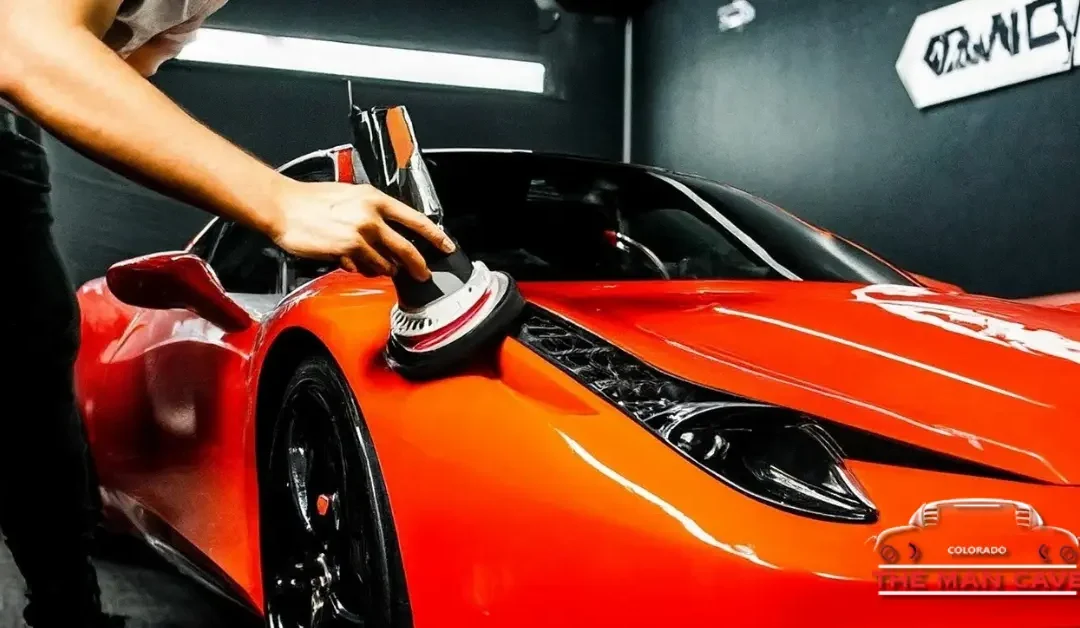
- Paint Correction: Machine polishing the paint to remove swirls and scratches.
If you apply a coating over scratched or dirty paint, you are simply locking in those defects for years. Professionals have the lighting, equipment, and expertise to perfect the paint before sealing it, ensuring that glossy, “wet” look everyone desires.
Myth 5: Brand New Cars Don’t Need It
Many car buyers assume that a vehicle rolling off the dealership lot is in perfect condition and doesn’t need protection yet. They plan to wait until the car shows signs of wear before investing in detailing. This is a backward approach.
Dealership Paint Isn’t Perfect
New cars are often transported by rail or truck, exposing them to iron dust (rail dust) and road grime. Furthermore, dealership prep often involves quick, careless washing that introduces swirl marks before you even sign the papers.
Prevention is Cheaper than Cure
The best time to coat a vehicle is immediately after purchase. The clear coat is at its thickest, and fewer defects need correction, which can reduce labor costs for paint correction. By coating the car on day one, you protect the factory clear coat from UV rays, bird etching, and oxidation from the outset. Waiting until the paint fades means you are trying to restore damage rather than prevent it.
Protecting Your Investment the Right Way
Ceramic coatings are an incredible technology that has revolutionized car care. They offer superior gloss, ease of cleaning, and excellent protection against environmental elements—especially helpful in Maryland’s unpredictable climate. However, they are not a miracle cure for every paint hazard.
If you are looking for a maintenance-free, scratch-proof force field, you will be disappointed. But if you want a vehicle that stays cleaner longer, shines brighter, and is protected from the chemical harshness of road salts and bird droppings, a ceramic coating is worth every penny.
When choosing a detailer in Maryland, look past the marketing buzzwords. Ask about their prep process, the specific brand of coating they use, and what their maintenance recommendations are.
A reputable professional will be honest about the product’s limitations and help you choose a protection package that fits your driving habits and budget.