If you drive every day, your car is constantly exposed to dirt, road grime, pollen, dust, UV rays, spills, food crumbs, and everything else that comes along with normal life. A quick car wash can help keep the outside looking clean, but a full detail preserves value — inside and out — in ways a drive-through wash simply can't. Here's how to know when it's time.
Key Takeaways
- A full detail every 4–6 months keeps paint and interior in showroom condition.
- Daily commuters in Maryland should detail more often due to road salt, pollen, and humidity.
- Signs you're overdue: dull paint, lingering odors, stained seats, or visible swirl marks.
- Detailing before applying ceramic coating or Icon Rocklear is non-negotiable for proper bonding.
Why a car wash isn't enough
An automated car wash removes surface dirt, but it also introduces micro-scratches through dirty brushes and harsh chemicals. Over time, those tiny swirls dull your clear coat and rob your paint of its depth and gloss.
A professional detail goes several layers deeper. It decontaminates the paint with a clay bar treatment, removes embedded contaminants like rail dust and industrial fallout, and restores the clear coat through machine polishing. The result is a finish that a tunnel wash physically cannot produce.
How often should you detail?
For most Maryland drivers, a full exterior and interior detail every 4 to 6 months is the sweet spot. That cadence keeps contaminants from etching into the clear coat and prevents interior stains from setting permanently.
If you commute daily on Route 3, I-97, or the Beltway, consider detailing every 3 months. Highway driving coats your car in brake dust, exhaust particulates, and road salt through the winter — all of which accelerate paint degradation.
Seasonal changes are a reliable trigger: detail in spring to remove winter salt and in fall to prep a protective layer before the cold returns.
Signs your car is overdue for a detail
The paint looks hazy or chalky instead of glossy and reflective.
Water no longer beads on the surface — a sign your wax or coating has worn off.
You see visible swirl marks under sunlight, especially on dark-colored vehicles.
The interior has lingering odors, stained seats, or a buildup of dust in vents and crevices.
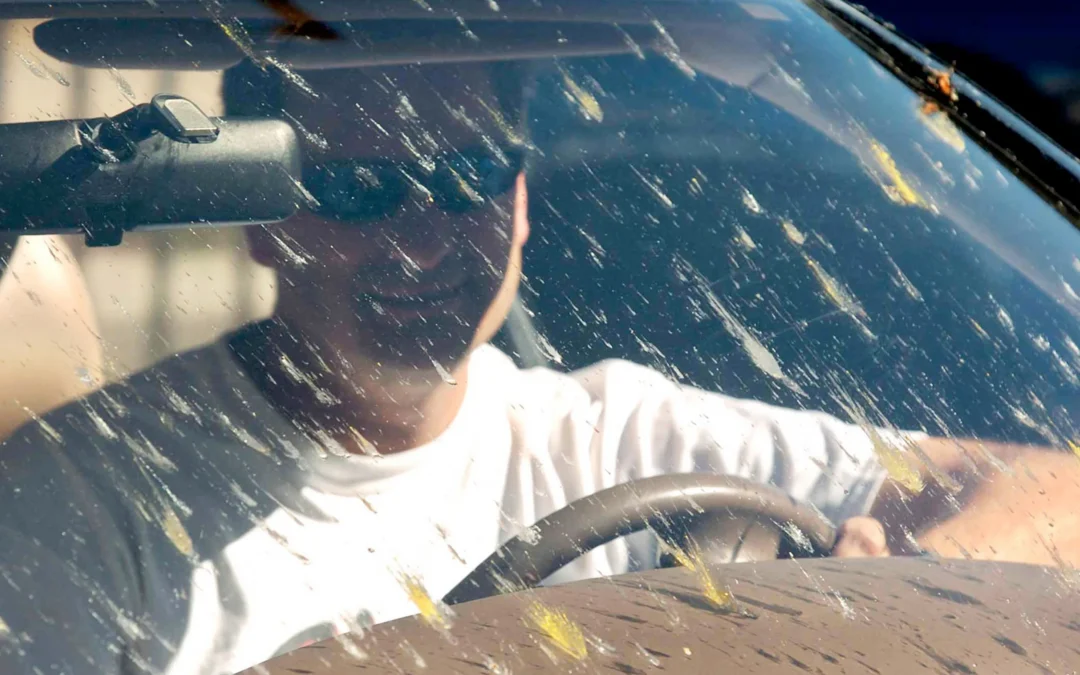
Bug splatter and bird droppings have been sitting on the paint for more than a few days.
Detailing before paint protection
If you're planning to apply a ceramic coating or Icon Rocklear paint protection, paint correction during a detail isn't optional — it's essential. Any swirl, scratch, or oxidation locked beneath a coating becomes permanent until the coating is removed.
Frank personally inspects every vehicle before protection is applied, correcting the clear coat so the coating bonds to a flawless surface. That's why our vehicle assessment starts with paint condition, not product selection.
Frequently Asked Questions
Can I just use a drive-through car wash instead of detailing?
A car wash removes loose dirt but cannot decontaminate, polish, or protect your paint the way a professional detail can. Frequent automated washes actually add swirl marks over time.
Does detailing help my car's resale value?
Yes. A well-maintained, regularly detailed vehicle consistently commands a higher resale price because the paint and interior show noticeably less wear.
Ready For Frank's Recommendation?
Skip the guesswork. Frank personally reviews every vehicle assessment — inspecting paint condition and matching the right protection to your vehicle, your environment, and your budget.