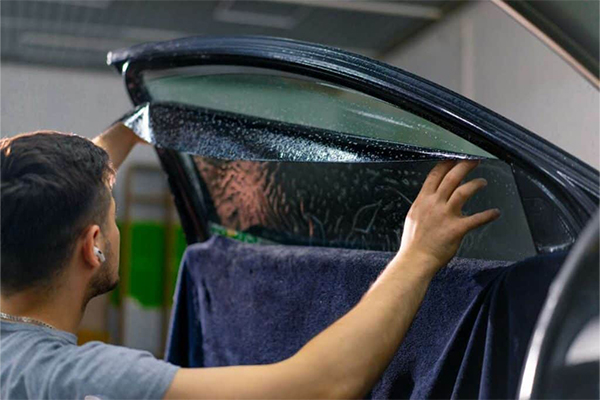
Drivers in Gambrills deal with changing road conditions all year long. Hot, humid summers, bright sun, and seasonal glare make quality window tint essential for comfort, UV protection, and heat rejection. Here's what to look for in window tint and why the right film matters for Maryland drivers.
Key Takeaways
- Quality tint rejects up to 99% of UV and significantly reduces cabin heat.
- Ceramic and carbon films outperform dyed tint in heat rejection and longevity.
- Maryland has legal limits on tint darkness — know them before choosing.
- Professional installation prevents bubbling, peeling, and distortion.
Why window tint matters in Maryland
Maryland summers are hot and humid, and the sun is intense. Without tint, cabin temperatures soar, UV degrades your interior, and glare makes driving uncomfortable and unsafe. Quality tint addresses all three.
UV protection isn't just about comfort — it protects your skin on long drives and prevents your dashboard, seats, and trim from fading and cracking over time.
Types of window tint
Dyed tint is the most affordable but fades and offers limited heat rejection. It's a short-term solution.
Metalized tint adds heat rejection but can interfere with cell and GPS signals.
Carbon tint offers excellent heat rejection without signal interference and won't fade. A strong mid-range choice.
Ceramic tint is the premium option — top-tier heat rejection, UV protection, and clarity without signal interference. Best for Maryland's demanding climate.
Maryland tint laws
Maryland law requires at least 32% light transmission on front side windows. Windshields may only have a non-reflective tint on the top 5 inches. Rear windows can be darker.
Choosing a film that complies with state law keeps you legal and avoids inspection failures. Frank can advise on compliant options that still deliver the heat and UV protection you want.
Why professional installation matters
DIY and discount tint jobs commonly bubble, peel, and distort within a year or two. Professional installation ensures a clean, precise application that lasts and maintains visibility.
A quality film professionally installed can last a decade; a poor installation fails in months. The difference is in the prep, the film, and the installer's experience.
Frequently Asked Questions
Will window tint interfere with my cell phone or GPS?
Ceramic and carbon films do not interfere with signals. Only older metalized tints can cause interference, and those are rarely used today.
How dark can I legally tint my windows in Maryland?
Front side windows must allow at least 32% light transmission. Rear windows can be darker. Always confirm current regulations before installation.
Ready For Frank's Recommendation?
Skip the guesswork. Frank personally reviews every vehicle assessment — inspecting paint condition and matching the right protection to your vehicle, your environment, and your budget.