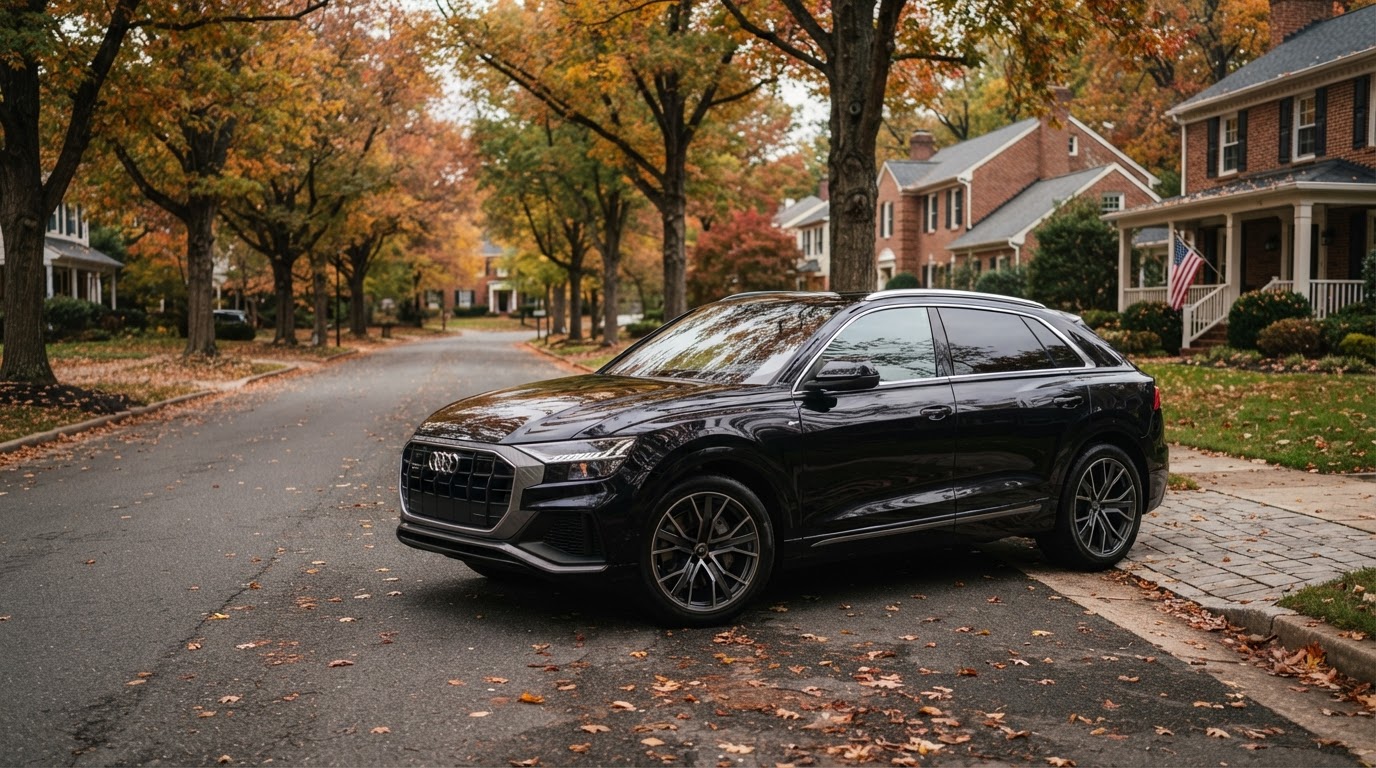
Fall Car Paint Protection for Gambrills, MD: A Pre-Winter Checklist
Your Essential Pre-Winter Vehicle Care Checklist
From falling leaves and tree sap to Maryland's approaching road-salt season, discover practical ways to care for your vehicle's finish before winter arrives.
Maryland fall can leave a car wearing more than a coat of pollen. Damp leaves, sap, and other organic residue can cling to the finish just as drivers begin thinking about winter road treatment. For Gambrills drivers traveling along Route 3, Route 32, or nearby commuter roads, autumn is a sensible time to clean, inspect, and decide what level of paint care is actually needed before winter driving.
Key Takeaways
- Remove fall debris before it bonds to the clear coat — damp leaves trap moisture and grit.
- Inspect the finish in even daylight before deciding whether correction or protection is needed.
- A simple wash-and-maintain routine may be enough; not every vehicle needs a new coating.
- Plan for road-salt season with safe washing habits, not a rushed product purchase.
In This Article
Start With a Careful Fall Cleanup
Before choosing a product, remove the material already sitting on the paint.
Leaves can trap moisture and dirt against a panel, while sap and other sticky deposits can be difficult to lift if they are left to dry. Do not scrape or rub a dry deposit, as that can drag grit across the finish.
Begin with a thorough rinse to loosen particles, then wash in the shade when the bodywork is cool, using automotive shampoo and a clean wash mitt. Work from the cleaner upper panels toward lower, dirtier areas, rinsing the mitt often.
If a spot remains, use a product made for that kind of residue according to its label rather than reaching for a household solvent or abrasive pad. Rinse well and dry with a clean, soft towel so water is not left sitting on the surface.
Pay attention to the hood, roof, trunk, windshield edges, and areas beneath parked trees. If you find leaves packed into a gap, remove them gently — do not force tools into trim or drainage openings.
When residue has bonded to the paint or you are unsure how to remove it safely, professional exterior detailing can be a reasonable next step.
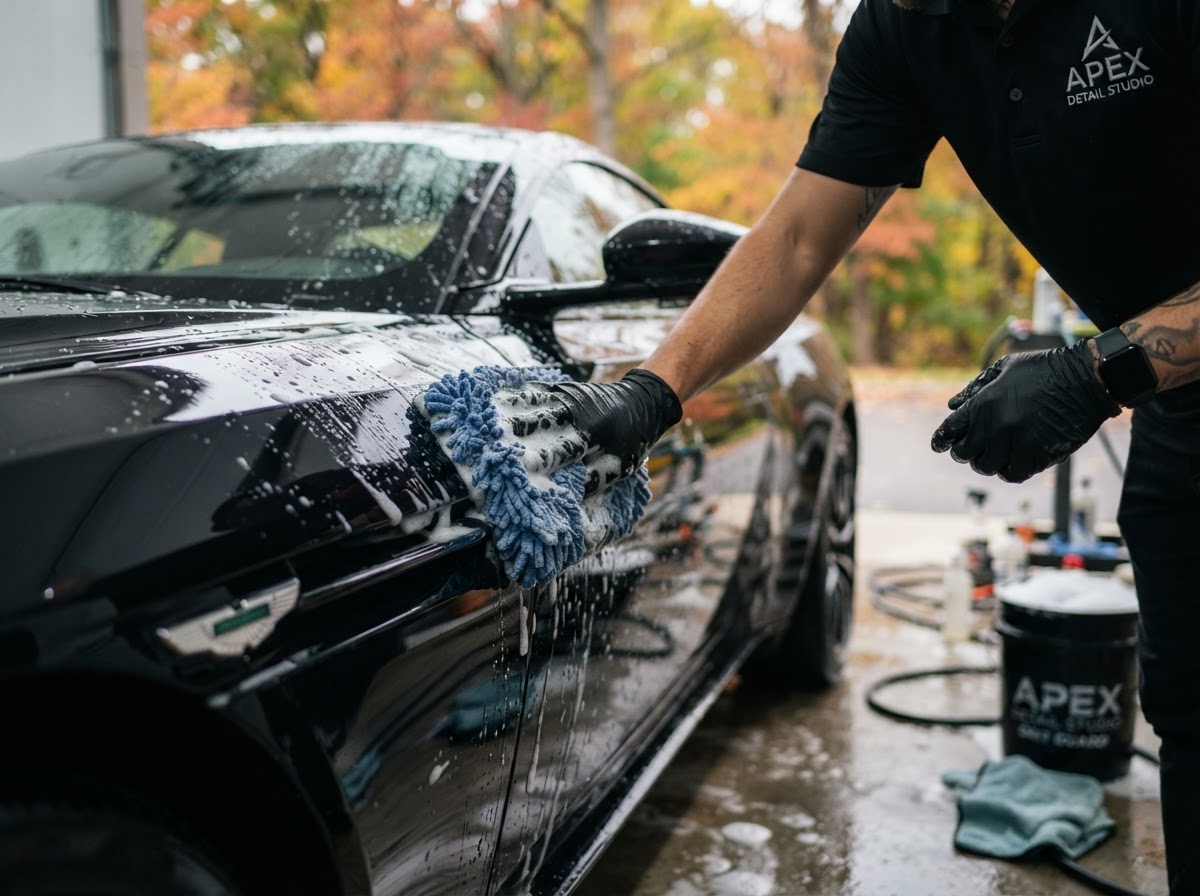
Fall Paint-Care Checklist
- 1Rinse loose debris.
- 2Wash with automotive shampoo.
- 3Treat stubborn residue carefully.
- 4Dry using clean microfiber towels.
- 5Inspect the finish after cleaning.
Inspect Your Paint Before Maryland Winter Driving
After washing and drying, look over the paint in even daylight. A basic visual check helps separate surface dirt from damage that washing cannot fix.
Check for rough-feeling areas, dull patches, water marks, scratches, or chips. Avoid diagnosing every mark as a need for polishing.
Paint correction uses machine polishing to address suitable finish defects, but it is not the right answer for every mark or every vehicle. If the paint looks sound and the car is easy to wash, a consistent maintenance routine may be the best fit.
If the surface has visible defects or contamination that remains after a safe wash, ask for an assessment before deciding on a service. Let the condition of the vehicle, not the calendar alone, guide the conversation.
Inspect first. Recommend second.
Bonded material
Identify residue or bonded material that may require specialized cleaning.
Dullness, marks & scratches
Inspect dullness, water marks, scratches, and other surface imperfections.
Current coating condition
Consider the condition of any current coating or sealant before adding another product.
Build a Road-Salt Care Plan That Fits Your Driving Routine
Once winter road treatment begins, residue can accumulate on frequently driven vehicles. The practical response is straightforward.
Rinse or wash when conditions allow, follow the product manufacturer's care directions for any existing protection, and avoid letting heavy road film build up for long periods. A basic maintenance plan may be enough if you drive modest distances, can wash the vehicle regularly, park it under cover, and are satisfied with its current finish.
Keep the process simple — rinse first, use clean wash materials, avoid washing in direct heat, and dry with a clean towel. Follow any coating or sealant care instructions already provided for your vehicle. There is no need to add a new layer simply because the season changed.
Consider a professional evaluation if your vehicle sees frequent commuting, is usually parked outdoors, has a finish that is difficult to keep clean, or you want to discuss a longer-term protection approach. A consultation should account for paint condition, how you use the vehicle, and how much maintenance you are willing to do. Products do not replace safe washing or prevent every kind of damage.
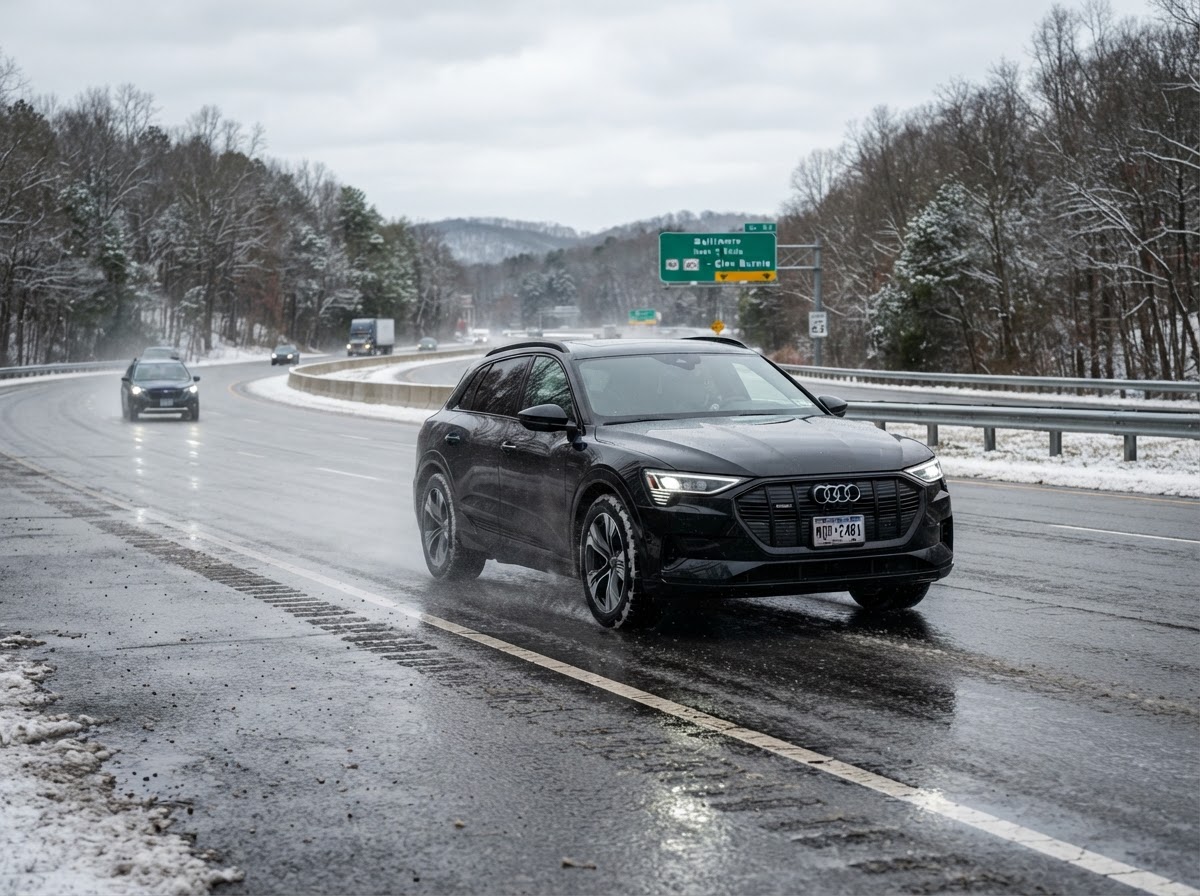
Clean
Remove seasonal contaminants.
Inspect
Evaluate paint condition.
Prepare
Decide whether additional protection is appropriate.
Maintain
Follow safe washing practices throughout winter.
When Higher-Level Paint Protection Makes Sense
If routine washing is not enough for your needs, discuss appropriate options with a detailer rather than selecting a product by name alone.
Quality Car Detailing describes Icon Rocklear as a premium hybrid paint protection coating — distinct from ceramic coatings and paint protection film. Whether it suits a particular vehicle depends on its surface condition and the owner's goals, and any warranty is subject to the manufacturer's terms.
The first step may still be cleaning or correcting the finish, not applying additional protection. If the vehicle is already in good shape and you can keep up with careful washing, basic maintenance may be all you need.
If you want help deciding, share the vehicle's condition and your driving routine for a personalized recommendation.
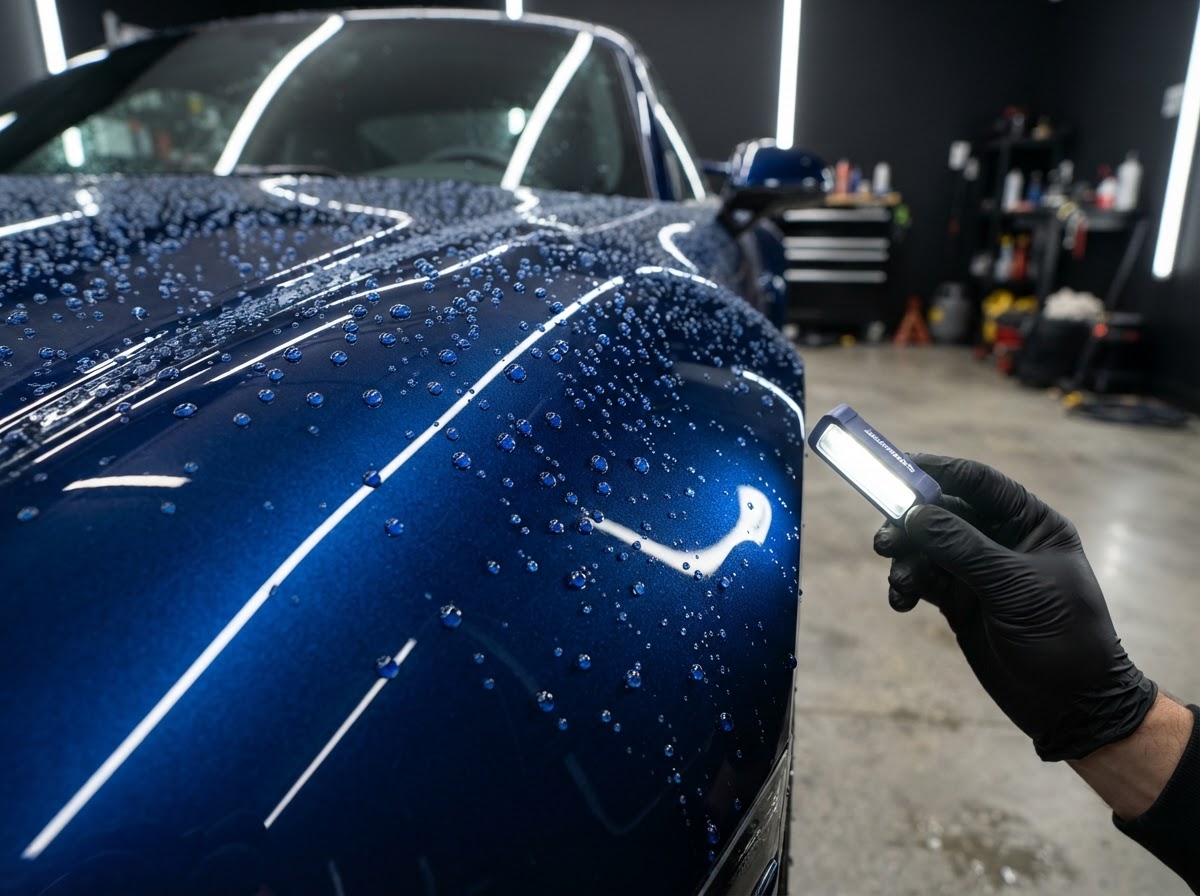
Current finish
Understand the vehicle's current finish before adding protection.
Commute & exposure
Consider commuting, outdoor parking, and environmental exposure.
Care routine
Choose a protection approach compatible with the owner's care routine.
Frequently Asked Questions
Plan Your Fall Paint-Care Check
A careful wash and an honest look at the finish are practical first moves for Gambrills drivers heading into winter. Match any additional protection to the car's condition and your habits, and keep maintenance realistic.
Request a vehicle assessment to discuss what makes sense for your car before choosing the next step.
Your Vehicle. Your Driving Routine. The Right Protection Plan.
Get a professional perspective on your vehicle's finish before Maryland's winter driving season. Quality Car Detailing can help you determine whether careful maintenance, paint correction, or additional protection makes sense.
More From The Detail Bay
 Detailing
When Should I Get My Car Detailed?
If you drive every day, your car is constantly exposed to dirt, road grime, pollen, dust, UV rays, spills, food crumbs, and everything else that comes along with normal life. A quick car wash can help keep the outside looking clean, but a full detail preserves value.
Read Article Protection
Is PPF in Gambrills Still Worth It in 2026?
PPF remains one of the most effective ways to protect a vehicle's paint from road hazards, UV damage, and environmental wear. For Gambrills drivers who contend with harsh winters and gravel-prone roads, learn why paint protection film is worth every penny.
Read Article Ceramic Coating
Is a Ceramic Coating in Gambrills Right for Your Car?
A ceramic coating is a liquid polymer applied to a car's exterior that bonds with the paint to create long-lasting protection against UV damage, water, dirt, and light scratches. Here is what Gambrills owners need to know.
Read Article