Paint correction removes scratches, swirls, and oxidation from your vehicle's clear coat before applying a ceramic coating. If you skip this critical step, the coating will permanently lock in those defects — making them impossible to remove without stripping the coating entirely. Here's why correction is the foundation of every coating job.
Key Takeaways
- A ceramic coating locks in whatever is underneath — including defects.
- Swirl marks and oxidation become permanent without correction first.
- Maryland's climate accelerates the defects that correction removes.
- Correction is non-negotiable before any coating or PPF installation.
What paint correction actually is
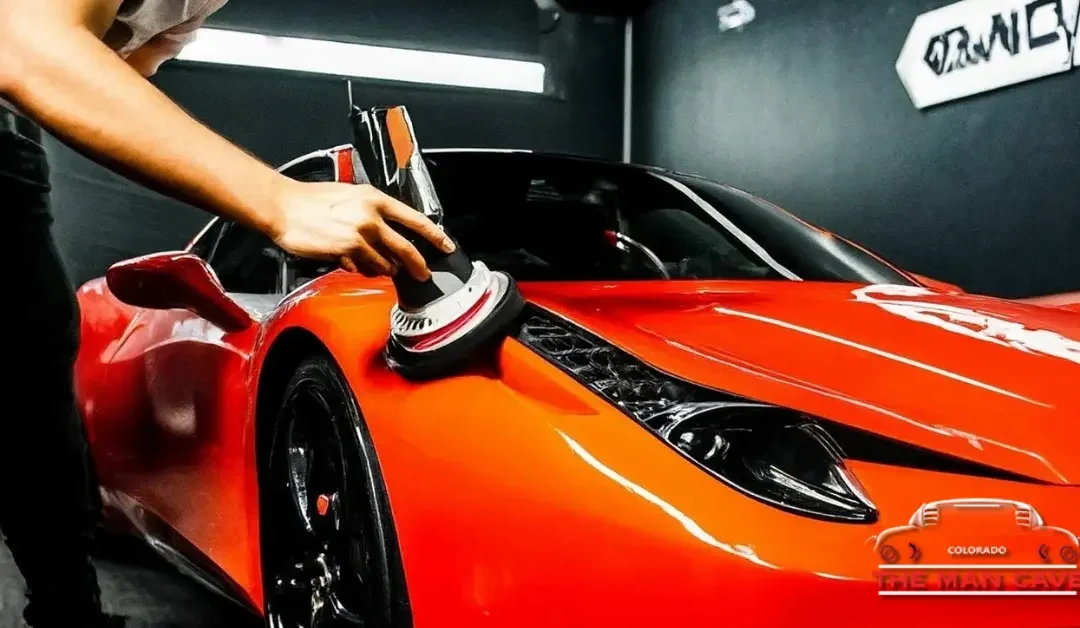
Paint correction is the process of mechanically leveling the clear coat to remove swirl marks, light scratches, oxidation, water spots, and etching. It's done with machine polishers, specialized pads, and graded compounds — not by hand and not with a quick buff.
The goal is to restore the clear coat to a uniform, flawless surface that reflects light evenly. That uniformity is what creates the deep, glassy gloss that makes a freshly corrected car look brand new.
Why coating without correction is a mistake
A ceramic coating bonds to the clear coat and becomes a semi-permanent layer. If the clear coat has swirl marks, oxidation, or scratches, the coating seals those defects in place. They become visible through the coating — and permanent until the coating is removed.
That means the coating won't hide damage; it will highlight it. A glossy coating over swirled paint makes the swirls more obvious, not less.
Maryland's role in paint damage
Maryland drivers face a combination that's particularly hard on clear coat: UV in summer, road salt in winter, humidity year-round, and pollen and sap in spring and fall. Each of these contributes to the oxidation, etching, and swirl marks that accumulate over time.
Automated car washes — common in the area — add swirl marks through dirty brushes. By the time most vehicles come in for a coating, the clear coat has visible defects that must be corrected first.
The correction-first workflow
Every coating job at Quality Car Detailing starts with a full assessment of paint condition. Frank inspects every panel under controlled lighting, measures clear coat thickness, and determines the correction stages needed before any coating is applied.
This is why our process starts with the vehicle assessment — understanding the paint's condition dictates everything that follows, from correction stages to coating tier.
Frequently Asked Questions
Can I just apply coating over light swirls?
You can, but those swirls become permanent. Light swirls are exactly what correction removes easily — and exactly what a coating will lock in if skipped.
How long does paint correction take?
A full correction typically takes a full day or more depending on vehicle size and paint condition. It's the most labor-intensive part of a coating job and the most important.
Ready For Frank's Recommendation?
Skip the guesswork. Frank personally reviews every vehicle assessment — inspecting paint condition and matching the right protection to your vehicle, your environment, and your budget.